
Session Information
Session Type: Poster Session A
Session Time: 6:00PM-7:00PM
Background/Purpose: Juvenile myositis (JM) patients report high rates of emotional distress but qualitative studies suggest challenges accessing high quality mental health care. We present survey data on mental health specialist follow-up for JM patients who screened positive in a multicenter North American JM mental health screening pilot study.
Methods: JM patients/parents (5-21 yo) completed patient/parent-proxy mental health screeners (i.e. Pediatric Symptom Checklist-17 [PSC-17], Patient Health Questionnaire-9 [PHQ9], Screen for Child Anxiety Related Disorders [SCARED]). Demographic/clinical data and Patient-Reported Outcomes Measurement Information System (PROMIS) pediatric/parent-proxy mental health symptom intensity measures were collected. Patients with positive screening, defined as any total/domain scores above established clinical cutoffs, were referred for mental health specialist evaluation. Four weeks after referral, parents (or 18yo+ patients) were emailed surveys evaluating: 1) if they had seen a mental health specialist, 2) barriers to mental health evaluation, 3) facilitators for addressing mental health, and 4) satisfaction with mental health care. Barriers/facilitators were adapted from a prior Patients, Advocates, and Rheumatology Teams Network for Research and Service (PARTNERS) study and respondents could indicate presence/absence of as many as they liked. Descriptive statistics were calculated.
Results: Seventy-two participants enrolled, with 49 (68%) screening positive and 20 completing follow-up surveys (41% response rate). Most (n = 19) respondents were parents and survey responses were more often received for female patients with higher PROMIS physical function and lower PROMIS emotional distress scores, though responders/nonresponders were otherwise comparable (Table 1). Of the patients screening positive, most patients (n = 15, 75%) had not yet scheduled mental health specialist evaluation, 1 (5%) had scheduled but not attended, and 4 (20%) had visited a specialist with only 1 of these 4 reporting initiation of psychotropic medication. Barriers included difficulty finding nearby specialists who understand JM patients experiences (Figure 1). Facilitators, such as pediatric rheumatologists discussing mental health needs, are shown (Figure 2). A plurality felt mental health needs were being ‘very well met (n = 9, 45%), but the majority stated mental health needs were met only ‘somewhat (n = 5, 25%) or ‘a little bit/not at all (n = 6, 30%).
Conclusion: JM patients with positive mental health screening results did not often access timely mental health specialist follow-up. Barriers and facilitators, such as lack of mental health providers with experience with patients with JM and the role of pediatric rheumatologists in facilitating referral, were identified and replicate prior qualitative study findings. Given that respondents often endorsed unmet mental health needs and difficulty accessing mental health care, novel mental health care delivery approaches (e.g. integrated care) warrant further study to ensure appropriate mental health evaluation and treatment for JM patients.
 Table 1: Participant Descriptive Statistics
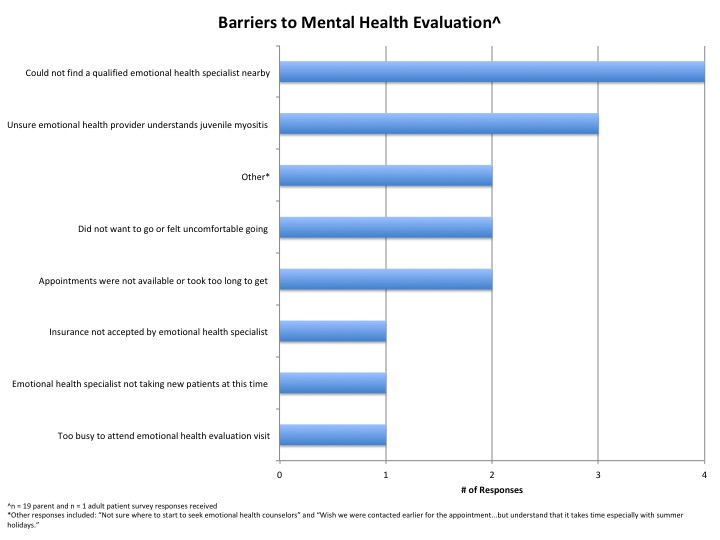 Figure 1: Barriers to Mental Health Evaluation
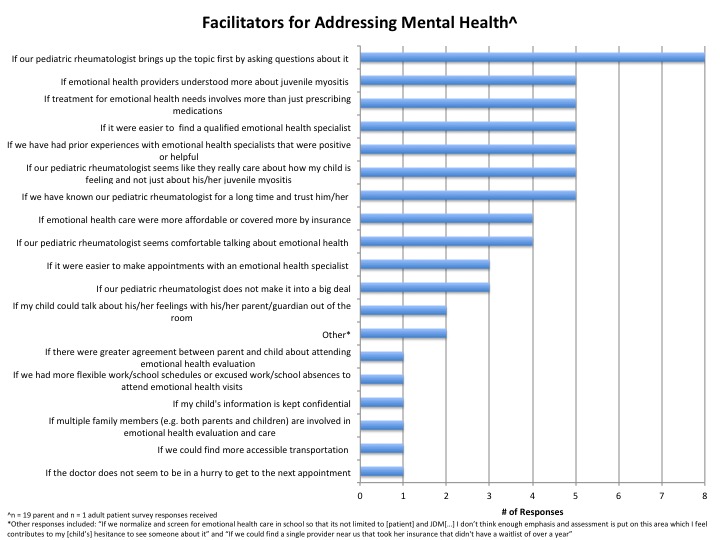 Figure 2: Facilitators for Addressing Mental Health
To cite this abstract in AMA style:
Ardalan K, Fillipo R, ZIgler C, Ward A, Dvergsten J, Reed A, Manning A, Maslow G, Feldman B, Danguecan A, Mossad S, Flores Pereira L, Shenoi S, Haynes S, Patten J, Knight A. What Happens After Juvenile Myositis Patients Screen Positive for Mental Health Comorbidities? Update from a Multicenter Juvenile Myositis Mental Health Screening Pilot Study [abstract]. Arthritis Rheumatol. 2023; 75 (suppl 4). https://acrabstracts.org/abstract/what-happens-after-juvenile-myositis-patients-screen-positive-for-mental-health-comorbidities-update-from-a-multicenter-juvenile-myositis-mental-health-screening-pilot-study/. Accessed .« Back to 2023 Pediatric Rheumatology Symposium
ACR Meeting Abstracts - https://acrabstracts.org/abstract/what-happens-after-juvenile-myositis-patients-screen-positive-for-mental-health-comorbidities-update-from-a-multicenter-juvenile-myositis-mental-health-screening-pilot-study/