
Session Information
Date: Tuesday, November 9, 2021
Title: Pediatric Rheumatology – Clinical Poster III: Miscellaneous Rheumatic Disease (1614–1644)
Session Type: Poster Session D
Session Time: 8:30AM-10:30AM
Background/Purpose: The transition from pediatric to adult healthcare is a critical time for the wellbeing of patients with chronic illness including rheumatologic disease. Low patient engagement during transition has been associated with lower treatment adherence, poor clinic attendance, increased hospital admissions and adverse health outcomes. A supportive environment and a multidisciplinary approach to transition, including the presence of both an adult and paediatric rheumatologist, are key components to support youth as they prepare to transition. We aimed to assess the transition clinic experiences of rheumatology patients to identify potential areas for improvement.
Methods: The “Mind the Gap” validated questionnaire was administered to our Rheumatology Transition Clinic patients, with either JIA or jSLE, aged 14-18 years. The questionnaire assesses the transition clinic expectations and experiences and includes 22 questions covering 3 domains: management of environment, provider characteristics and process issues. Patients completed the questionnaire twice on a single occasion; first with respect to their “ideal” experience and second regarding their current clinic experience. Responses ranged from strongly disagree (1) to strongly agree (7). For each question, a “gap” score was calculated by subtracting the current from the ideal score. A score of 0 signifies that the current experience is ideal; positive scores suggest current care is less than ideal, and negative scores suggest current care exceeds the ideal experience. The greater the positive gap score, the lower the level of satisfaction. Similarly, the greater the negative gap score, the greater the satisfaction. Descriptive statistics summarized our patients’ responses.
Results: Of 63 patients (43 female, 20 male) with a mean (SD) age of 16.4 (1.2), 86% had JIA and 14% had jSLE. For each domain, the mean gap score was between 0 and 1, indicating virtually no gap between current and ideal care (Table 1). Table 2 reveals areas where the gap score ≥1. The largest frequency of patients recording a gap score ≥ 1 was 45%, for the clinic’s ability to communicate information to the patient’s school teachers. When comparing gap scores for males and females, mean gap scores were similar for the environment and process issues. However, for provider characteristics, mean (SD) gap scores for females (0.41 (1.2)) appeared higher than males (0.0, (0.5)). Females were less satisfied with how well the staff knew them and the staff’s “ability to understand the realities of being a teenager”.
Conclusion: Although overall Transition Clinic experiences appear to be meeting the expectations of the majority of our rheumatology patients, there is room for improvement within all three domains. Future directions should include developing standardized interventions to address the identified gaps, such as communication with schools and the provider’s abilities to discuss sensitive issues.
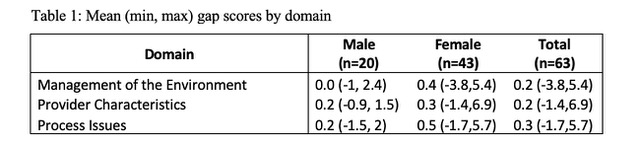 Table1.jpeg”Table 1: Mean (min, max) gap scores by domain
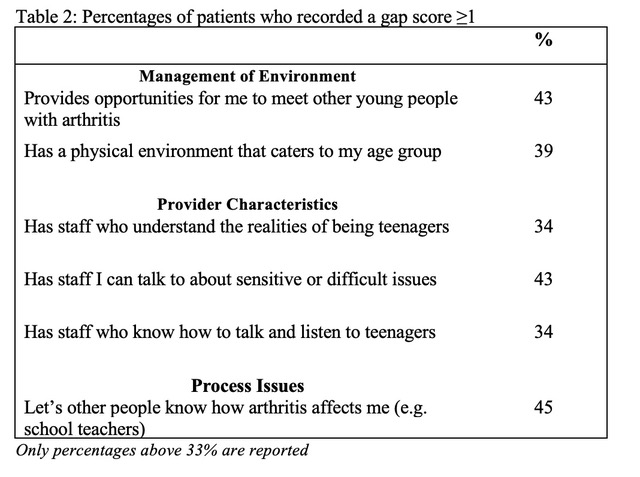 Table2.jpeg”Table 2: Percentages of patients who recorded a gap score ≥1
To cite this abstract in AMA style:
Fine C, Beattie K, Cellucci T, Heale L, Matsos M, Garner S, Batthish M. Mind the Gap: The Experience of Adolescents in a Rheumatology Transition Clinic [abstract]. Arthritis Rheumatol. 2021; 73 (suppl 9). https://acrabstracts.org/abstract/mind-the-gap-the-experience-of-adolescents-in-a-rheumatology-transition-clinic/. Accessed .« Back to ACR Convergence 2021
ACR Meeting Abstracts - https://acrabstracts.org/abstract/mind-the-gap-the-experience-of-adolescents-in-a-rheumatology-transition-clinic/