
Session Information
Date: Monday, November 8, 2021
Title: Epidemiology & Public Health Poster III: Other Rheumatic & Musculoskeletal Diseases (1022–1060)
Session Type: Poster Session C
Session Time: 8:30AM-10:30AM
Background/Purpose: Musculoskeletal system and connective tissue disorders (arthropathies, systemic connective tissue disorders, soft tissue disorders) may contribute to premature mortality likely due to associated comorbidities related to disease and treatment. Worldwide MSK-related mortality rate showed a downward trajectory between 1986 and 1997, an uptrend till 2001, again followed by a decrease thereafter in both sexes (1). However, data regarding premature MSK-related mortality is lacking. We sought to analyze the temporal trends and geographical variations of MSK-related premature mortality ( age ≤ 65 years) over the last 20 years in the United States (U.S.). We hypothesized that increased surveillance, early diagnosis or improvement of treatment, and increased survival would have led to a downward trend in premature mortality during the last two decades.
Methods: Death certificate data were retrieved from the Centers for Disease Control and Prevention’s Wide-Ranging Online Data for Epidemiologic Research (WONDER) database for 1999-2018. WONDER database is publicly available de-identified data collected by CDC that reports the underlying cause of death across the United States. Premature mortality, for MSK and connective tissue disease (ICD-10 code M00-M99) as an underlying cause of death, for age< 65 years was queried. This duration was further stratified into five-year periods. Age-adjusted mortality rate (AAMR) per 100,000 population was calculated with 95% CI for the four U.S. census regions (CR1 Northeast, CR2 Midwest, CR3 South, and CR4 West). Figure 1 illustrates the regional trends.
Results: A total of 73,217 premature MSK and connective tissue deaths occurred among individuals aged 15-65 years in the last 20 years. Overall, AAMR per 100,000 deaths declined by 22% during the study period. From 1999-2018 AAMR for Northeast declined from 1.6 to 1.2; for Midwest 1.6 to1.4; for West 1.8 to 1.4; for South 2.2 to 1.7 (Figure-1) Regional AAMR declined by 25% in the Northeast, 22.7% in the South, 22.2% in the West, and 12.5% in Midwest. Table 1 gives Total deaths and crude mortality rates in each region. All-cause AAMR declined (~5%) from 300.7 to 285.5 per 100,000 during 1999 to 2018 ( Table 2).
Conclusion: This analysis of nationally representative data shows a decline in the AAMR for premature MSK and connective tissue diseases. Overall and regional AAMR showed a downward trajectory from 1999-2018. Our study underscores the importance of high-quality and evidence-based practices in rheumatology that may have played a significant role in decreasing MSK and connective tissue disorders compared with overall all-cause mortality. The regional disparities in premature mortality among different census regions warrant further investigations. Study limitations include inherent weaknesses of database studies that misclassify the cause of mortality.
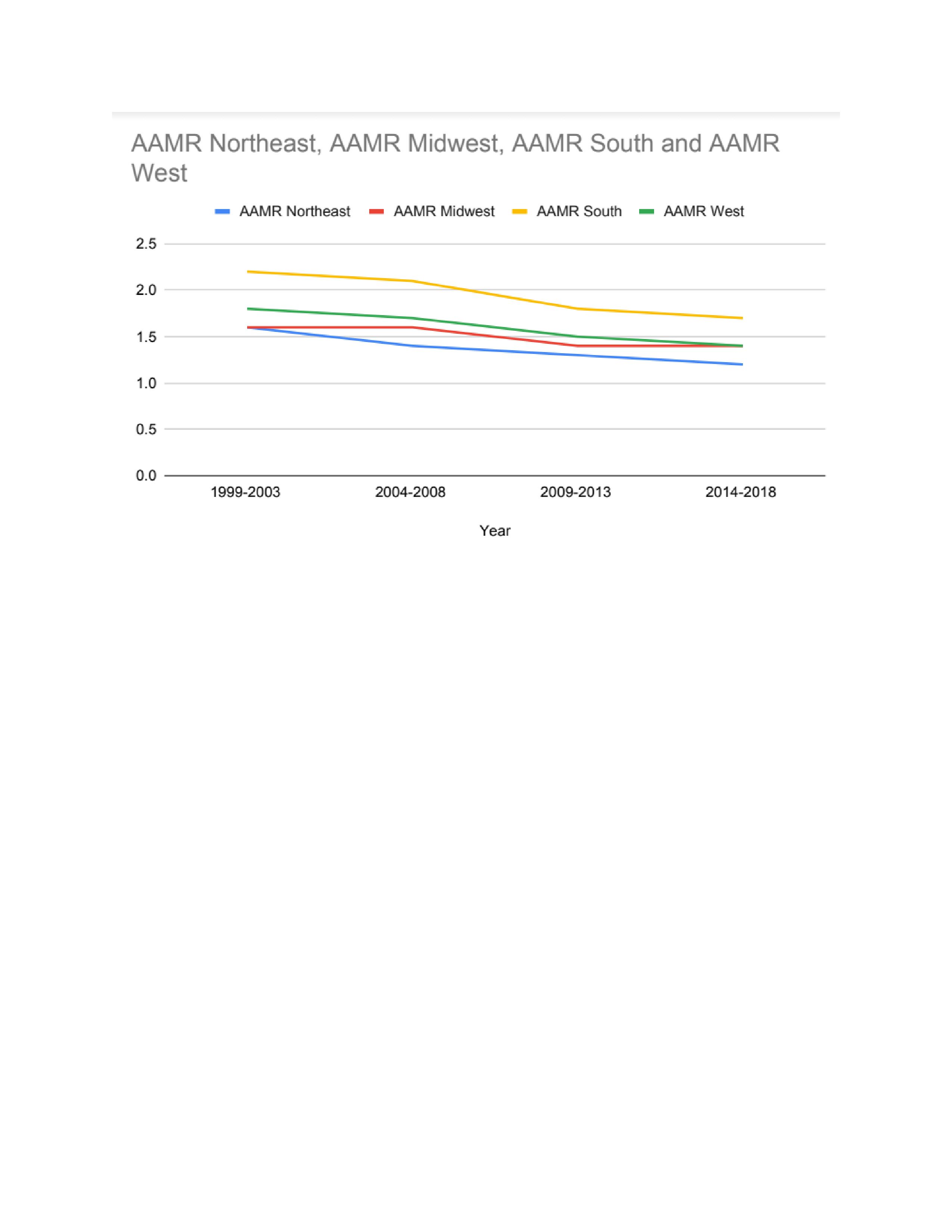 Figure 1 Illustrates temporal trends and regional MSK and connective tissue related AAMRs from 1999_2018
 Table _1 Regional age-adjusted MSK and connective tissue related mortality rate in the U.S Census regions
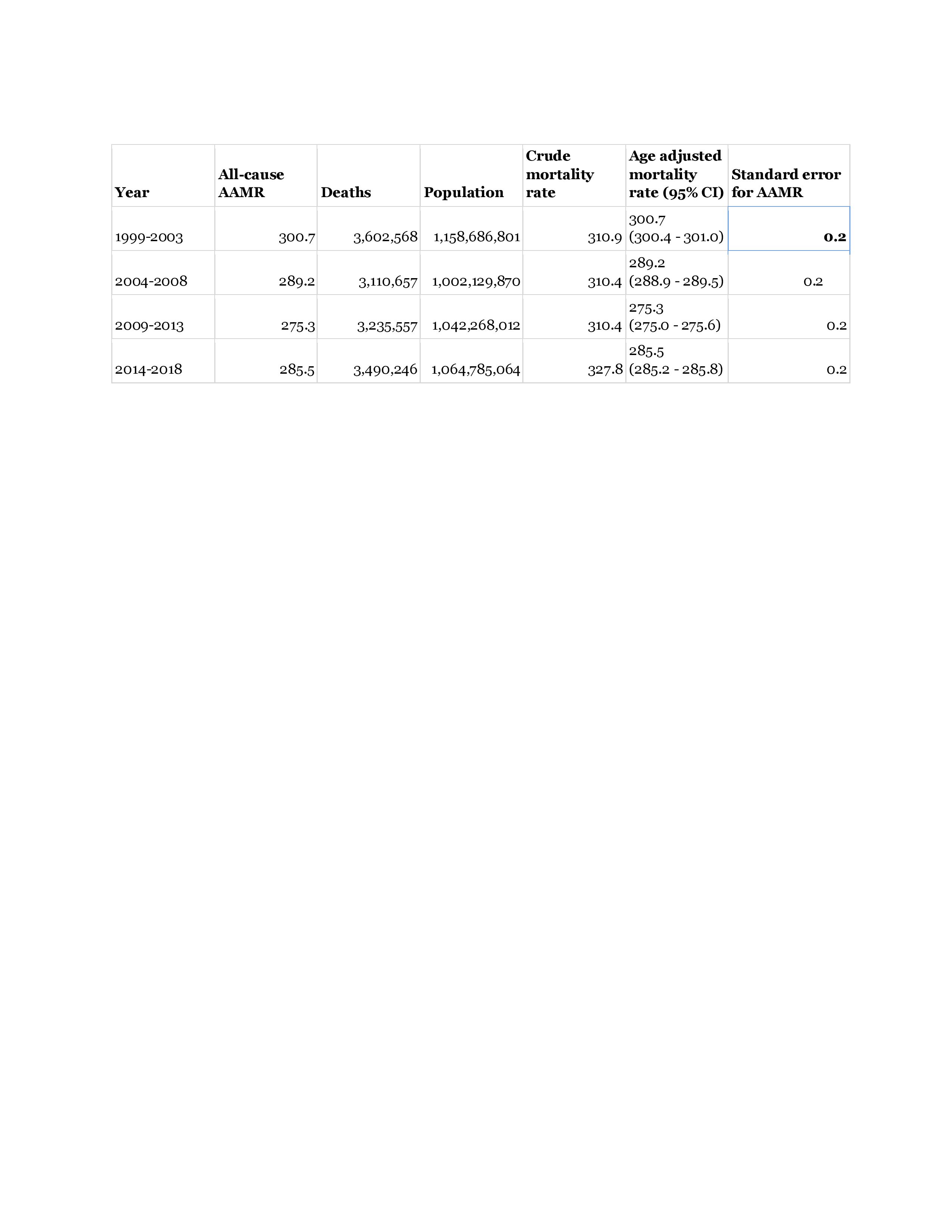 Table_2 All-cause mortality in the United States
To cite this abstract in AMA style:
Kaur I, Mughal M, Mirza H, Jagdey H, Bansal P, Capitle E, Aslam F. Temporal Trends and Geographic Variations of Premature Mortality Related to Musculoskeletal(MSK) and Connective Tissue Disorders in the United States: A 20-Year Analysis from WONDER Database [abstract]. Arthritis Rheumatol. 2021; 73 (suppl 9). https://acrabstracts.org/abstract/temporal-trends-and-geographic-variations-of-premature-mortality-related-to-musculoskeletalmsk-and-connective-tissue-disorders-in-the-united-states-a-20-year-analysis-from-wonder-database/. Accessed .« Back to ACR Convergence 2021
ACR Meeting Abstracts - https://acrabstracts.org/abstract/temporal-trends-and-geographic-variations-of-premature-mortality-related-to-musculoskeletalmsk-and-connective-tissue-disorders-in-the-united-states-a-20-year-analysis-from-wonder-database/