ACR Meeting Abstracts

ACR Meeting Abstracts

  • Meeting Abstracts
    • All Meetings
    • ACR Convergence 2026
    • PRSYM 2026
    • ACR Convergence 2025
    • Download Abstract Supplements
  • Keyword Index
  • My Favorites
    • View & print my favorites
  • Search

Home » Meeting Abstracts » ACR/ARP Annual Meeting 2019

Abstract Number: 202

Risk Factors Associated with Serious Infections Among Users of Biosimilar and Originator Infliximab Therapies

Cristiano S. Moura 1, Jeffrey Curtis 2, Denis Choquette 3, Gilles Boire 4, Vivian P. Bykerk 5, Carter Thorne 6, Walter P. Maksymowych 7, Peter L. Lakatos 8, Larry Svenson 9, Laura Targownik 10, Waqqas Afif 8 and Sasha Bernatsky11, 1McGill University Health Centre, Montreal, QC, Canada, 2University of Alabama at Birmingham, Birmingham, AL, 3Institut de Recherche en Rhumatologie de Montréal, University of Montreal, Québec, Canada., Montreal, QC, Canada, 4Sherbrooke University, Sherbrooke, QC, Canada, 5Hospital for Special Surgery, New York, NY, 6Southlake Regional Health Centre, Newmarket, ON, Canada, 7University of Alberta/CARE ARTHRITIS, Edmonton, AB, Canada, 8McGill University, Montreal, QC, Canada, 9University of Alberta, Edmonton, AB, Canada, 10University of Manitoba, Winnipeg, MB, Canada, 11Research Institute of the McGill University Health Centre, Montreal, QC, Canada

Share on X (Twitter) Share on Facebook Share on LinkedIn Share on Email
Print

Meeting: ACR/ARP Annual Meeting 2019

Keywords: infection and biosimilars, infliximab

Session Information

Date: Sunday, November 10, 2019

Title: Epidemiology & Public Health Poster I: RA

Session Type: Poster Session (Sunday)

Session Time: 9:00AM-11:00AM

Background/Purpose: Biosimilar use in North America is relatively low, and real-world comparisons of biosimilars and their originator biologics are lacking. We assessed risk factors associated with serious infections in new users of originator infliximab or infliximab biosimilar.

Methods: We used MarketScan administrative health data to create a cohort of adult new users of infliximab (originator infliximab or infliximab biosimilar), between Jan.-Dec. 2017. The first infusion was the cohort entry date. A 90-day current exposure period was assigned for every infusion and individuals could contribute person-time through the observation period. We assessed frequency and time to first serious infection, defined as those associated with hospitalization. Crude incidence rates were generated to compare infection risk between originator infliximab and infliximab biosimilar. Cox proportional hazards regression models were adjusted to identify risk factors associated with serious infections: current infliximab therapy (originator or biosimilar), age, sex, prior biologic use, prior and current use of DMARDs and systemic glucocorticoids, past hospitalized infection, age-adjusted Charlson comorbidity index (CCI), and underlying conditions (rheumatoid arthritis, ankylosing spondylitis, psoriasis/psoriatic arthritis, Crohn’s disease, ulcerative colitis).

Results: We studied 2676 individuals, including 2584 originator infliximab and 92 infliximab biosimilar. Most (60%) were women and the mean age was 44±15 years. Baseline characteristics (stratified by the initial treatment) are presented in Table 1. We identified 115 hospitalized infections during follow-up. Infection rates were 5.5 (95% confidence interval, CI 1.4-22.1) for current infliximab biosimilar and 8.5 (95% CI 7.0-10.3) for originator infliximab. We were unable to identify an association between infliximab therapy and hospitalized infection (adjusted hazard ratio, HR: 0.75, 95%CI 0.18-3.1). Age-adjusted CCI, past hospitalized infection, and prior and current use of glucocorticoids were associated with risk of hospitalized infection (Table 2).

Conclusion:

We were unable to detect differences in serious infectious between originator infliximab and infliximab biosimilar. High comorbidity score, occurrence of past infections and use of glucocorticoids were associated with increased risk of hospitalized infections. Additional long-term studies would be of additional help in establishing safety profiles.


Table1_ACRInfection
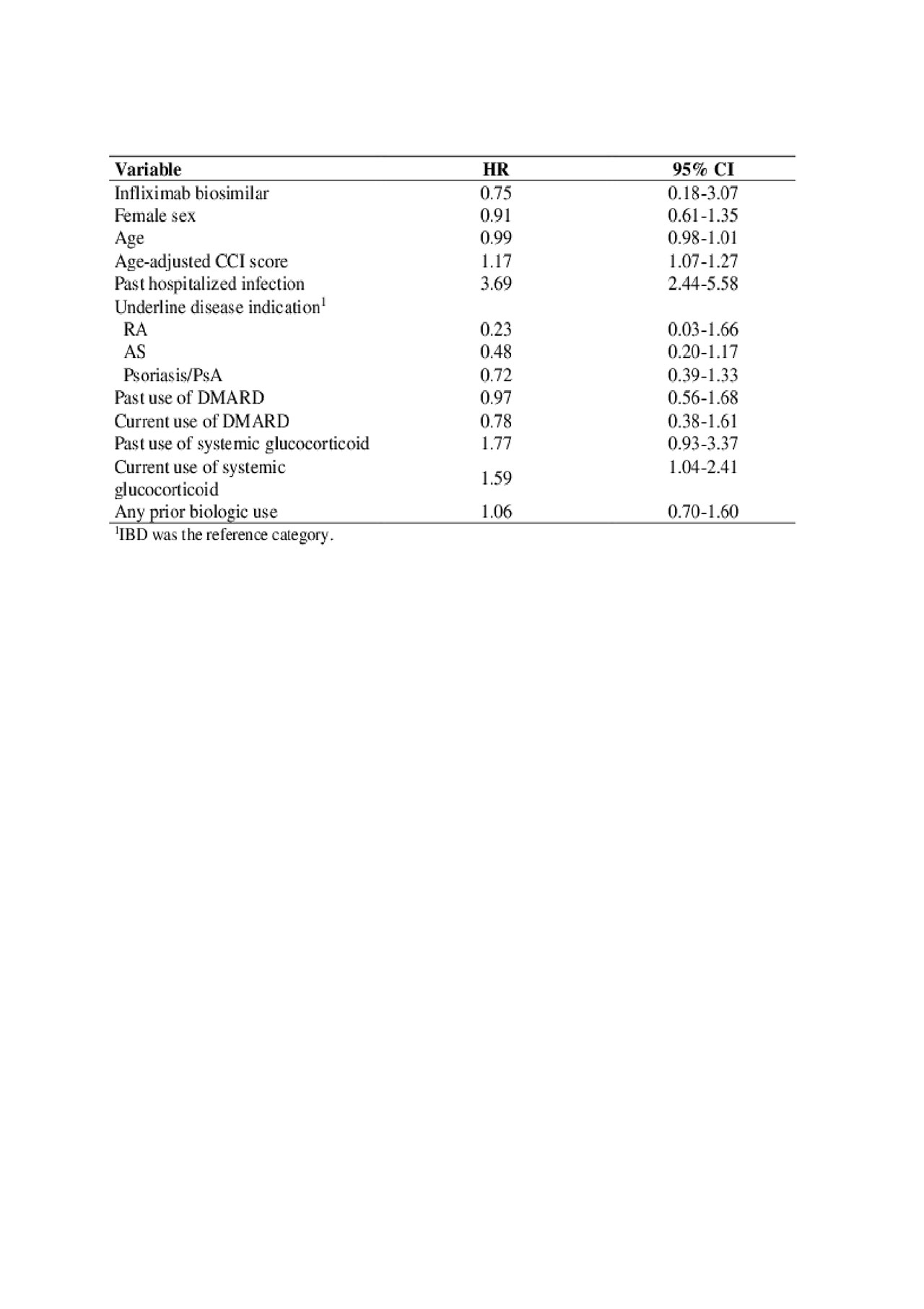
Table 1 – Baseline characteristics according to the initial treatment


Table2_ACRInfection

Table 2 – Risk factors associated with hospitalized infections.


Disclosure: C. Moura, None; J. Curtis, AbbVie, 2, 5, Abbvie, 2, 5, AbbVie, Amgen, Bristol-Myers Squibb, Corrona, Lilly, Janssen, Myriad, Pfizer, Regeneron, Roche, and UCB, 2, 5, Amgen, 2, 5, Amgen Inc., 2, 5, BMS, 2, 5, Bristol-Myers Squibb, 2, 5, Corrona, 2, 5, Crescendo, 2, 5, Eli Lilly, 2, 5, Eli Lilly and Company, 2, 5, Genentech, 2, 5, Janseen, 5, Janssen, 2, 5, Janssen Research & Development, LLC, 2, Lilly, 2, 5, Myriad, 2, 5, Patient Centered Outcomes Research Insitute (PCORI), 2, Pfizer, 2, 5, Radius Health, Inc., 9, Regeneron, 2, 5, Roche, 2, 3, 5, Roche/Genentech, 5, UCB, 2, 5; D. Choquette, AbbVie, 5, 8, AbbVie Canada, 5, 8, 9, Amgen, 5, 8, Amgen Canada, 5, 8, 9, BMS, 5, 8, BMS Canada, 5, 8, 9, Celgene, 5, 8, Celgene Canada, 5, 8, 9, Eli Lilly Canada, 5, 8, 9, Eli-Lilly, 5, 8, Merck, 5, 8, Merck Canada, 5, 8, 9, Novartis, 5, 8, Novartis Canada, 5, 8, 9, Pfizer, 5, 8, Pfizer Canada, 5, 8, 9, Sandoz Canada, 5, 8, 9, Sanofi-Genzime, 5, 8, Sanofi-Genzyme, 5, 8, 9; G. Boire, Abbvie, 2, Amgen, 2, 5, BMS, 2, 5, 8, Bristol-Myers Squibb, 2, 5, 8, Celgene, 5, Eli Lilly, 2, 5, Lilly, 2, 5, Merck, 2, 8, Novartis, 2, Pfizer, 2, 5, 8; V. Bykerk, Amgen, 5, Pfizer Pharmaceuticals, 5, Sanofi-Genzyme/Regeneron, 5, Schiper, 5, UCB, 5; C. Thorne, Abbvie, 2, 5, Amgen, 2, 5, CaREBiodam, 2, Celgene, 2, 5, Centocor, 5, Janssen, 5, Lilly, 5, Medexus/Medac, 5, 8, Merck, 5, Novartis, 2, 5, Pfizer, 2, 5, Sandoz, 5, Sanofi, 5; W. Maksymowych, Abbvie, 2, 5, 8, AbbVie, 2, 5, 8, AbbVie Inc., 2, 5, 8, Abbvie, Amgen, Eli Lilly, Janssen, Merck, Pfizer, Synarc, Sanofi, and UCB Pharma ], 2, 5, 8, Amgen, 2, 5, 8, Boehringer, 5, 8, Boehringer-Ingelheim, 5, 8, Canadian Research and Education Arthritis, 6, CARE ARTHRITIS, 3, 6, 9, Celgene, 5, 8, Eli Lilly, 2, 5, 8, Galapagos, 5, 8, Janssen, 2, 5, 8, Lilly, 2, 5, 8, Merck, 2, 5, 8, Novartis, 2, 5, 8, Pfizer, 2, 5, 8, Sanofi, 2, 5, 8, Synarc, 2, 5, 8, UCB, 2, 5, 8, UCB Pharma, 2, 5, 8; P. Lakatos, Abbvie, 2, 5, 8, Arena Pharmaceuticals, 5, 8, Celltrion, 5, 8, Falk Pharma GmbH, 5, 8, Ferring, 5, 8, Genetech, 5, 8, Janssen, 5, 8, Merck, 5, 8, MSD, 2, Pfizer, 2, 5, 8, Pharmacosmos, 5, 8, Roche, 5, 8, Shire, 5, 8, Takeda, 5, 8; L. Svenson, None; L. Targownik, None; W. Afif, Abbvie, 2, 5, 8, Ferring, 2, 5, 8, Janssen, 2, 5, 8, Novartis, 2, 5, 8, Pfizer, 2, 5, 8, Prometheus, 2, 5, 8, Takeda, 2, 5, 8, Theradiag, 2, 5, 8; S. Bernatsky, None.

To cite this abstract in AMA style:

Moura C, Curtis J, Choquette D, Boire G, Bykerk V, Thorne C, Maksymowych W, Lakatos P, Svenson L, Targownik L, Afif W, Bernatsky S. Risk Factors Associated with Serious Infections Among Users of Biosimilar and Originator Infliximab Therapies [abstract]. Arthritis Rheumatol. 2019; 71 (suppl 10). https://acrabstracts.org/abstract/risk-factors-associated-with-serious-infections-among-users-of-biosimilar-and-originator-infliximab-therapies/. Accessed .

ACR Meeting Abstracts - https://acrabstracts.org/abstract/risk-factors-associated-with-serious-infections-among-users-of-biosimilar-and-originator-infliximab-therapies/

My Favorites

Save and print abstracts during your browser session by clicking the “Favorite” button at the bottom of any abstract (must have cookies enabled in browser). See saved favorites.

Abstract Policies

  • ACR Convergence Abstract Embargo Policies
  • ACR Convergence Abstract Permissions & Reprints
  • PRSYM Abstract Policies

ACR Convergence. Where Rheumatology Meets

ACR Convergence 2026

Join us November 6-11 in Orlando, Florida.
See Registration Information

  • Contact ACR
  • Privacy Policy
  • ACR Policies
  • Cookie Preferences

© Copyright 2026 American College of Rheumatology