
Session Information
Session Time: 6:00PM-7:00PM
Background/Purpose: The COVID-19 pandemic has amplified mental health (MH) challenges among youth, with one in five children reporting their MH to be “fair” or “poor”. [1] Children with chronic disease, including Juvenile idiopathic arthritis (JIA), the most common pediatric rheumatic disease, are at particular risk for anxiety and depression. Despite this, the epidemiology of broader MH concerns in children with JIA (CWJIA) and their caregivers remain poorly characterized, particularly in the post-pandemic era. This systematic review will evaluate the epidemiology and scope of MH concerns among CWJIA and their caregivers, including MH disorders (e.g. anxiety, depression), MH symptoms (e.g. stress), cognitive functioning, positive MH indicators (e.g. resilience).
Methods: Following PRISMA guidelines, an initial search was completed on MEDLINE (Ovid) to generate keywords and was followed by extensive searches on MEDLINE, Embase, PsychINFO and CINAHL (1806-August 2025). Eligible studies examined MH concerns for CWJIA and/or their caregivers reporting on the incidence or prevalence of MH disorders, symptoms, cognitive functioning, or positive MH indicators. Four reviewers independently screened and extracted data using Covidence, with quality assessment planned using JBI critical appraisal tools.
Results: A total of 30 studies met the inclusion criteria, with most studies being of cross-sectional design. MH disorders (n=18) and MH symptoms (n=17) were most frequently evaluated. Anxiety and depression were the most reported MH disorders, consistently showing higher prevalence among CWJIA than healthy controls. JIA was shown to impact cognitive functioning (n=7), with several studies exploring its impact on school performance. Positive MH indicators (n=3 studies) such as resilience and adaptive coping emerged as potential protective mechanisms against poor MH outcomes. Caregiver MH was evaluated in three studies, all describing elevated distress associated with caring for CWJIA (Figure 1).
Conclusion: This systematic review highlights the scarcity of literature describing the burden of MH concerns among CWJIA and their caregivers. The higher prevalence of negative MH indicators in this population, along with the protective effects suggested by positive MH indicators underscores the need for studies of family-centered interventions to strengthen the psychosocial well-being of CWJIA and their caregivers.
Figure 1 Sample results from a subset of included studies for each domain examined. 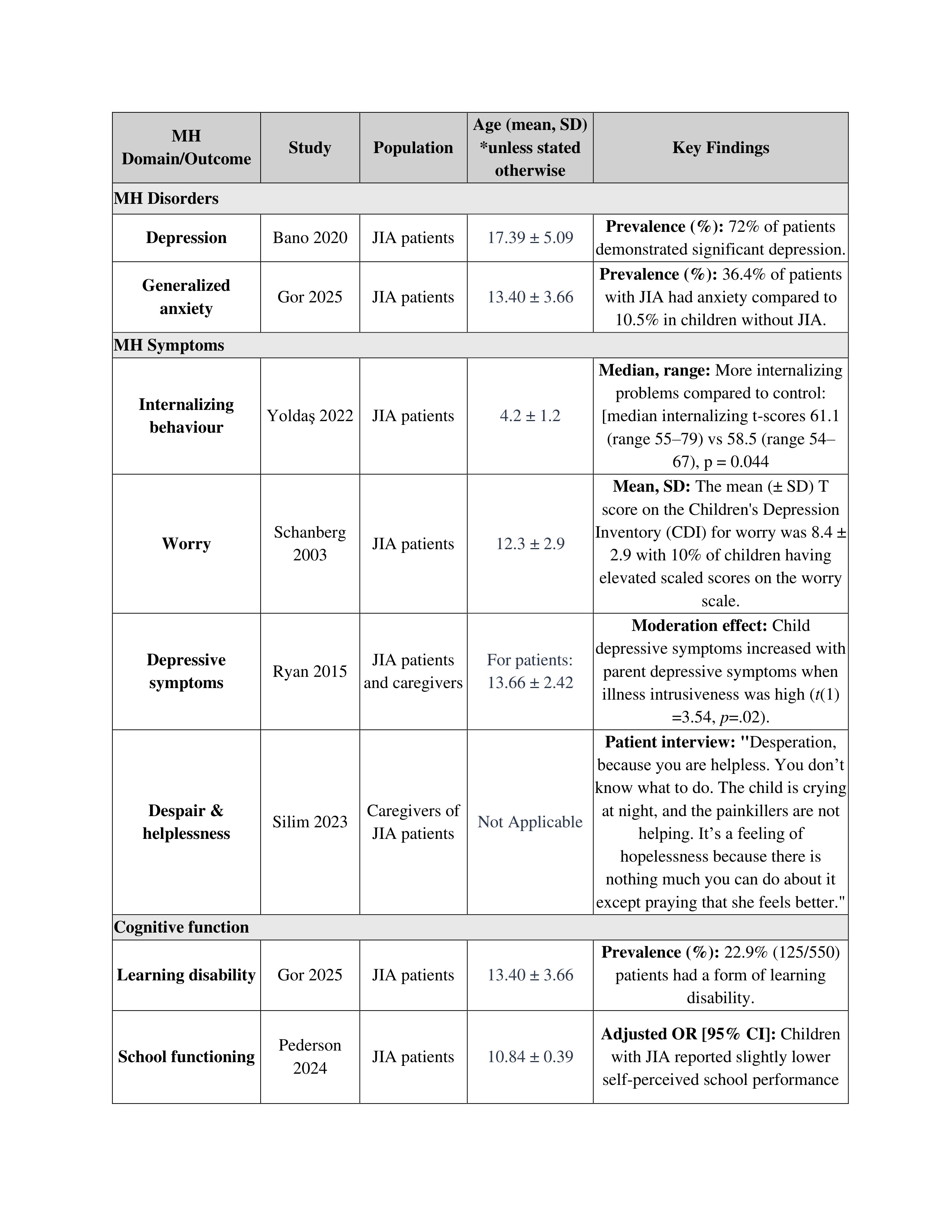
Figure 1 Sample results from a subset of included studies for each domain examined (continued)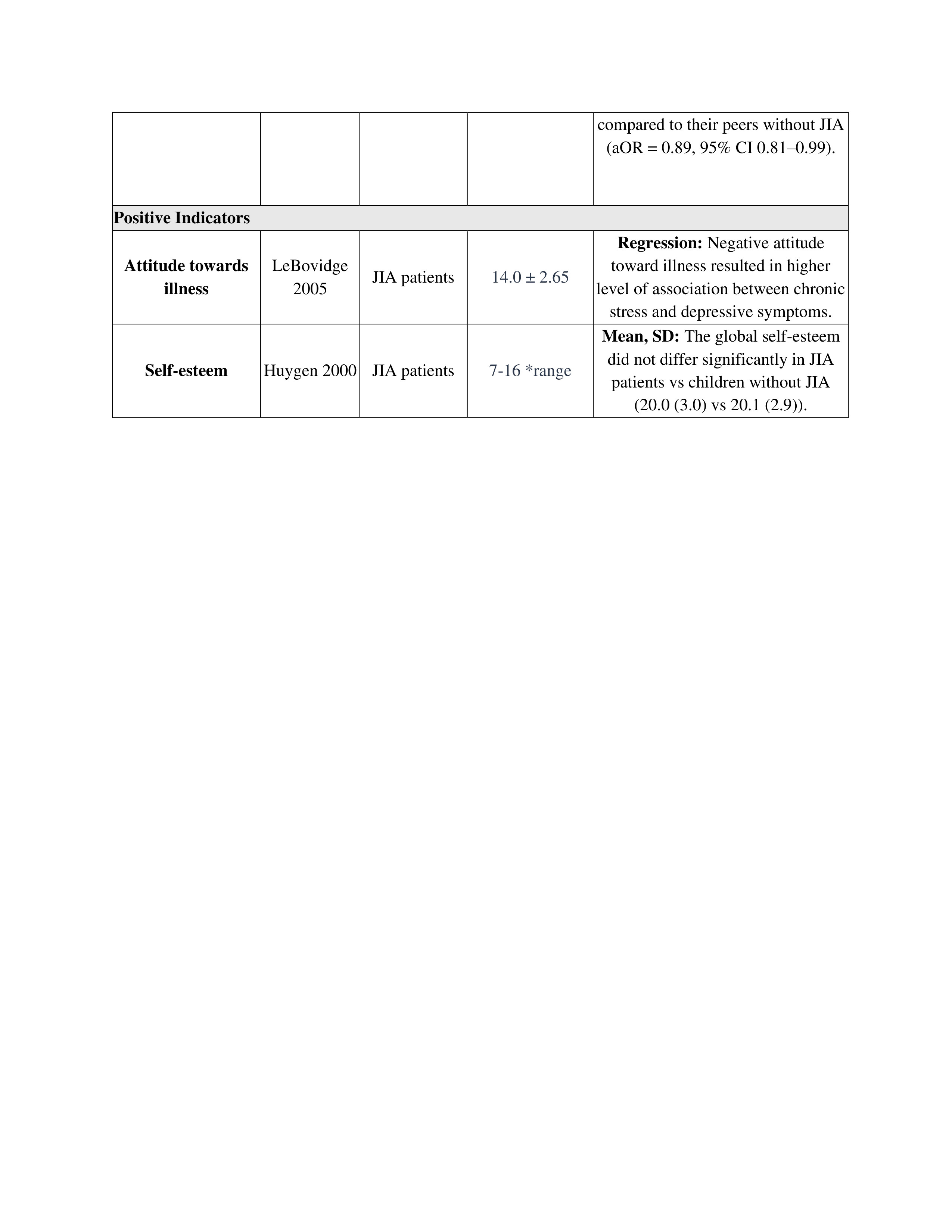
To cite this abstract in AMA style:
Park H, Zebian A, Pennigton A, Awan E, Sholdice M, Knight A, Berard R. Mental Health concerns in Patients with Juvenile Idiopathic Arthritis and Their Caregivers: A Systematic Review [abstract]. Arthritis Rheumatol. 2026; 78 (suppl 3). https://acrabstracts.org/abstract/mental-health-concerns-in-patients-with-juvenile-idiopathic-arthritis-and-their-caregivers-a-systematic-review/. Accessed .« Back to 2026 Pediatric Rheumatology Symposium
ACR Meeting Abstracts - https://acrabstracts.org/abstract/mental-health-concerns-in-patients-with-juvenile-idiopathic-arthritis-and-their-caregivers-a-systematic-review/