
Session Information
Session Time: 5:17PM-5:22PM
Background/Purpose: Lung disease associated with systemic JIA (SJIA-LD) remains poorly understood. Compared to serum or plasma, measurement of cytokine levels in bronchoalveolar lavage fluid (BALF) can better reflect disease pathogenesis in the lungs. However, there is limited data about the cytokine profile in BALF in children with SJIA-LD, or association with differing immunomodulatory treatments.
Objectives: the objectives of our study were to measure levels of cytokines and chemokines in BALF and their associations with anti-cytokine biologics and JAK inhibitors in patients with SJIA-LD.
Methods: Children with SJIA-LD were enrolled before clinically indicated diagnostic bronchoscopy. BALF collection was performed using a standardized protocol. Comparator BALF was collected from patients undergoing tracheostomy/airway disease (AD, n=8), poorly controlled asthma (n=10), autoimmune pulmonary alveolar proteinosis (PAP) (n=7) and other inflammatory diseases (ID, IBD with LD, lymphoma, and NLRP3, n=3). Leftover BALF was assayed for Interleukin 6, 8 and 18, S100A8/9, S100A12, CD25, CCL11, CCL17, CCL25, MMP7, and CXCL9 by ELISA and 8-plex system. This study was approved by the CCHMC IRB, and all patients or parents/guardians provided informed consent.
Results: BALF was obtained from 15 patients with SJIA-LD (mean age 6.7±0.71 years, mean disease duration 4.11±0.7 years) and 28 children with comparator disorders (mean age 8.6±0.24 years). Progressive lung disease was diagnosed in11 (73%) patients with SJIA, with 8 (53%) patients requiring O2 intermittently or continuously and BPAP in 1(7.15%) case. All patients were receiving daily oral corticosteroids, 3 (20%) steroid pulses, 7 (46.6%) anakinra, 1(6.7%) tocilizumab and 11 (73%) JAK inhibitors.
Patients with SJIA-LD had a significant elevation of IL18 vs. all comparators and vs. all control subgroups. SJIA-LD patients also had significantly elevated S100A8/9, S100A12, and CCL17 vs. all comparators, but there were no substantial differences from individual disease subgroups (Tab 1). IL6, IL8, CD25, CCL11, CCL25 and MMP7 were not significantly different among SJIA-LD and disease comparators.
BALF level of IL-18 was significantly associated with the number of immunosuppressive medications utilized (p=0.038), but not disease duration (p=0.95), duration of LD (p=0.56), O2 requirement (p=0.9), dose of anakinra (p=0.4), or plasma level of IL-18 (p=0.7).
Patients receiving anakinra and/or tocilizumab antagonists had significantly higher BALF levels of IL-18 (p=0.017), MMP7 (p=0.03), CCL11 (p=0.02), CCL17 (p=0.02) and CD25 (p=0.037) compared to patients not receiving such therapies (Fig 2). Similarly, while patients receiving JAK inhibitors had higher BALF levels of IL18, CCL17 and MMP7, the elevations were not statistically significant (Fig 2).
Conclusion: Patients with SJIA-LD showed a distinct BALF cytokine profile, including IL18 and S100 proteins. BALF cytokine profiles varied significantly by treatment; however, how this relates to LD activity, possible hypersensitivity, and other cofounding factors are unclear and should be evaluated further.
Table 1 Levels of cytokines in BAL in children with SJIA-LD and controls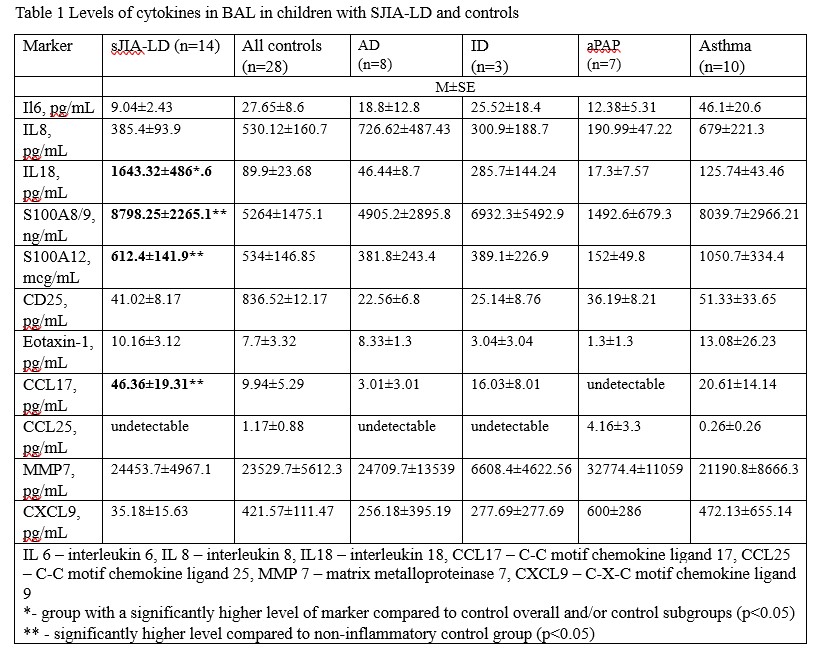
Figure 1 BALF cytokine profile in patients receiving anti-IL1 and IL6 biologics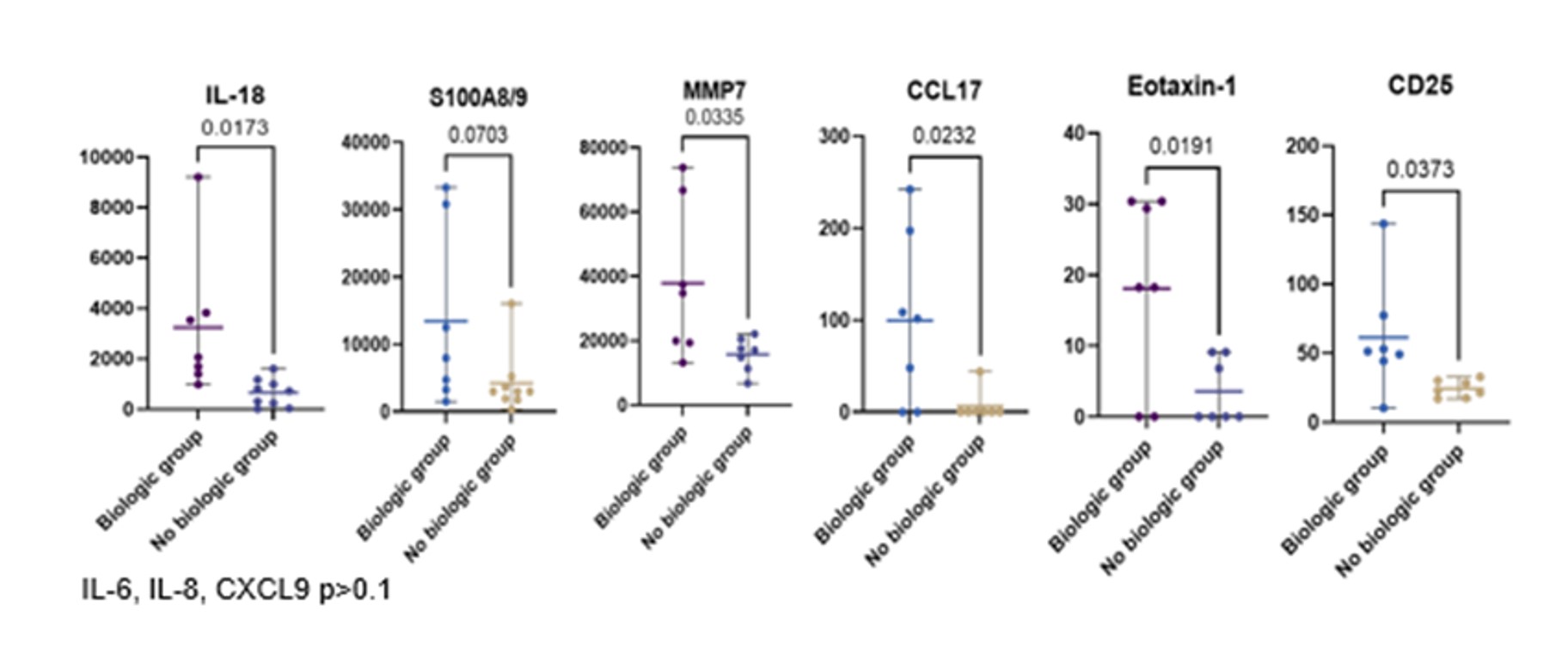
Figure 2 BALF cytokine profile in patients with SJIA-LD on JAK inhibitors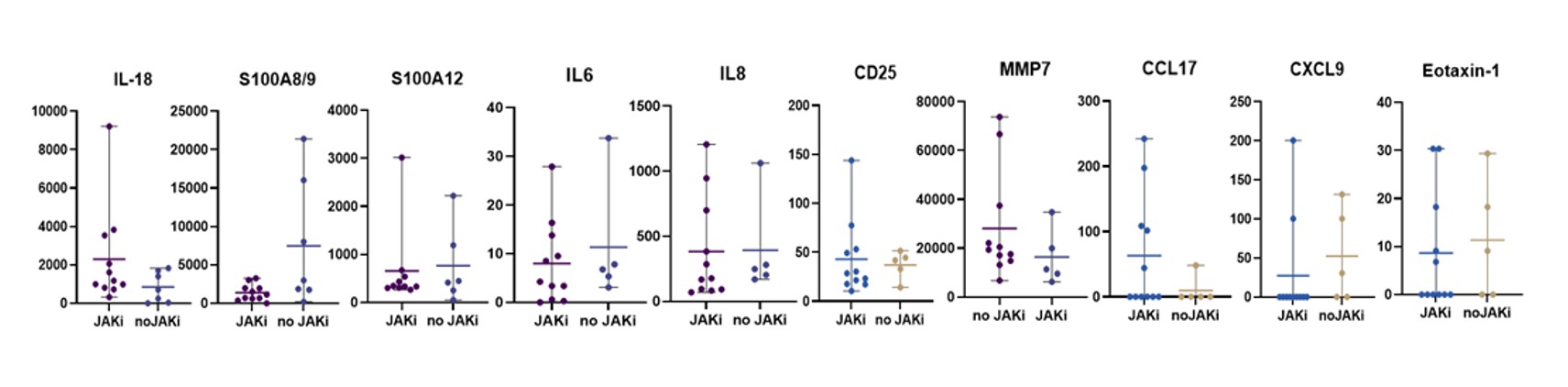
To cite this abstract in AMA style:
Romankevych I, Do D, Sproles A, Auld L, Sabit T, Baker J, Chhaing R, Brewington J, Carey B, Trapnell B, Towe C, Grom A, Schulert G. Association of Anti-Cytokine Biologics and JAK inhibitors with Bronchoalveolar Fluid Cytokine Profiles in Patients with Systemic Juvenile Idiopathic Arthritis-Associated Lung Disease (SJIA-LD) [abstract]. Arthritis Rheumatol. 2026; 78 (suppl 3). https://acrabstracts.org/abstract/association-of-anti-cytokine-biologics-and-jak-inhibitors-with-bronchoalveolar-fluid-cytokine-profiles-in-patients-with-systemic-juvenile-idiopathic-arthritis-associated-lung-disease-sjia-ld/. Accessed .« Back to 2026 Pediatric Rheumatology Symposium
ACR Meeting Abstracts - https://acrabstracts.org/abstract/association-of-anti-cytokine-biologics-and-jak-inhibitors-with-bronchoalveolar-fluid-cytokine-profiles-in-patients-with-systemic-juvenile-idiopathic-arthritis-associated-lung-disease-sjia-ld/