ACR Meeting Abstracts

ACR Meeting Abstracts

  • Meetings
    • 2026 ACR/ARP PRSYM
    • ACR Convergence 2025
    • ACR Convergence 2024
    • ACR Convergence 2023
    • 2023 ACR/ARP PRSYM
    • ACR Convergence 2022
    • ACR Convergence 2021
    • 2020-2009 Meetings
    • Download Abstracts
  • Keyword Index
  • Advanced Search
  • Your Favorites
    • Favorites
    • Login
    • View and print all favorites
    • Clear all your favorites
  • ACR Meetings

Abstract Number: 034

Periodic Fever, Aphthous Stomatitis, Pharyngitis, and Cervical Adenitis (PFAPA) Management Across Countries: A Survey to Inform Future Comparative Effectiveness Research

Mehmet YILDIZ1, Samira Nazzar Romero2, Lakshmi Moorthy3, Edan Itzkovitz4, Halide Ozge Basaran5, Tara Lozy6, Patricia DeLaMora7, Tatjana Welzel8, Ruby Haviv9, Kalpana Manthiram10, Camilo Vargas11, Erdal Sag12, amit ziv13, Adi Pappo14, Özlem Satirer15, Maryam Piram16, Gülşah Kavrul Kayaalp17, Nuray Aktay Ayaz18, Antonella Insalaco19, Jasmin Kuemmerle-Deschner20, Dilan Dissanayake4, Kader Cetin Gedik21, Nadine Saad22, Nataša Toplak23, Ozgur Kasapcopur24, Marinka Twilt25, Isabelle koné-Paut26, Ronald M. Laxer27, Marco Gattorno28, Seza zen29, Fatma Dedeoglu30 and Sivia Lapidus31, 1Division of Pediatric Rheumatology, Cerrahpasa Medical Faculty, Istanbul University-Cerrahpasa, Istanbul, Turkey, Istanbul, Turkey, 2Division of Rheumatology, Nemours Children's Health, University of Central Florida College of Medicine, Orlando, United States, Orlando, FL, 3Department of Pediatrics, Rutgers-Robert Wood Johnson Medical School, New Brunswick, NJ, United States, Metuchen, NJ, 4Division of Rheumatology, Department of Paediatrics, The Hospital for Sick Children, University of Toronto, Toronto, Canada, Toronto, ON, Canada, 5Department of Pediatrics, Hacettepe University, Ankara, Türkiye, New York City, NY, 6Joseph M. Sanzari Children's Hospital, Hackensack Meridian Health, Center for Discovery and Innovation, Hackensack Meridian Health and Hackensack Meridian School of Medicine, 7Department of Pediatrics, School of Medicine, New York Medical College, Valhalla, United States, 8Pediatric Rheumatology, University Children's Hospital Basel (UKBB), University of Basel, Basel, Switzerland, 9Pediatric Rheumatology Unit, Department of Pediatrics, Meir Medical Center, Kfar Saba, Israel., 10Laboratory of Immune System Biology, National Institute of Allergy and Infectious Diseases (NIAID), National Institutes of Health, Bethesda, United States, Bethesda, MD, 11Faculty of Medicine, Universidad del Valle, Cali, Colombia, Cali, Colombia, 12Department of Pediatric Rheumatology, Hacettepe University Faculty of Medicine, Ankara, Turkey, and Division, Ankara, Turkey, 13Pediatric Rheumatology Unit, Department of Pediatrics, Meir Medical Center, Kfar Saba, Israel, herzelia, Israel, 14Pediatric Rheumatology Unit, Schneider Children's Medical Center of Israel, Petach Tikva, Israel, HaMerkaz, Israel, 15Department of Paediatrics and Autoinflammation reference Center Tuebingen (arcT), Universitatsklinikum Tubingen, Tubingen, Baden-Württemberg, Germany, 16Department of Pediatrics, CHU Sainte-Justine, Université de Montréal, Montreal, QC, Canada; CHU Sainte-Justine Research Center, Université de Montréal, Montreal, QC, Canada, Montral, Canada, 17Department of Pediatric Rheumatology, Istanbul Faculty of Medicine, Istanbul University, Istanbul, Turkey, 18Department of Pediatric Rheumatology, Istanbul Faculty of Medicine, Istanbul University, Istanbul, Turkey, Istanbul, Turkey, 19Division of Rheumatology, ERN RITA Center, IRCCS Ospedale Pediatrico Bambino Gesù, Rome, Italy, Rome, Italy, 20Department of Paediatrics and Autoinflammation reference Center Tuebingen (arcT), Universitatsklinikum Tubingen, Tubingen, Baden-Württemberg, Germany, Tuebingen, Germany, 21Division of Pediatric Rheumatology, Department of Pediatrics, University of Pittsburgh School of Medicine, Pittsburgh, Pennsylvania, USA; Pediatric Autoinflammatory Diseases Center, University of Pittsburgh, Pittsburgh, United States, Pittsburgh, PA, 22University of Michigan, Michigan Medicine, Ann Arbor, Michigan, United States, Ann Arbor, MI, 23Department of Allergology, Rheumatology and Clinical Immunology, University Children's Hospital, Ljubljana, Slovenia, 24Istanbul University-Cerrahpasa, Department of Pediatric Rheumatology, Istanbul, Türkiye, istanbul, Turkey, 25Alberta Children's Hospital, Calgary, AB, Canada, 26Department of Pediatrics, Kremlin-Bicêtre University Hospital, Paris-Saclay University, Paris, France, 27The Hospital for Sick Children, Toronto, ON, Canada, 28Division of Rheumatology and Autoinflammatory Diseases, IRCCS Istituto Giannina Gaslini, Genoa, Italy, Genova, Italy, 29Hacettepe University Medical Faculty, Ankara, Turkey, 30Boston Children's Hospital, Boston, MA, 31Joseph M. Sanzari Children's Hospital, Hackensack Meridian Health, Center for Discovery and Innovation, Hackensack Meridian Health and Hackensack Meridian School of Medicine, Montclair, NJ

Meeting: 2026 Pediatric Rheumatology Symposium

  • Tweet
  • Email a link to a friend (Opens in new window) Email
  • Print (Opens in new window) Print
Session Information

Date: Thursday, March 19, 2026

Title: Posters: Clinical and Therapeutic Aspects I

Session Time: 6:00PM-7:00PM

Background/Purpose: Background: PFAPA is the most common autoinflammatory condition of childhood. Its frequency, clinical features, and response to treatments vary across populations. To standardize care, the Childhood Arthritis and Rheumatology Research Alliance (CARRA) published consensus treatment plans in 2020. However, real-world evidence of their effectiveness is limited.
Purpose: To assess current treatment practices for PFAPA across international centers and estimate potential enrollment for future comparative effectiveness studies.
 

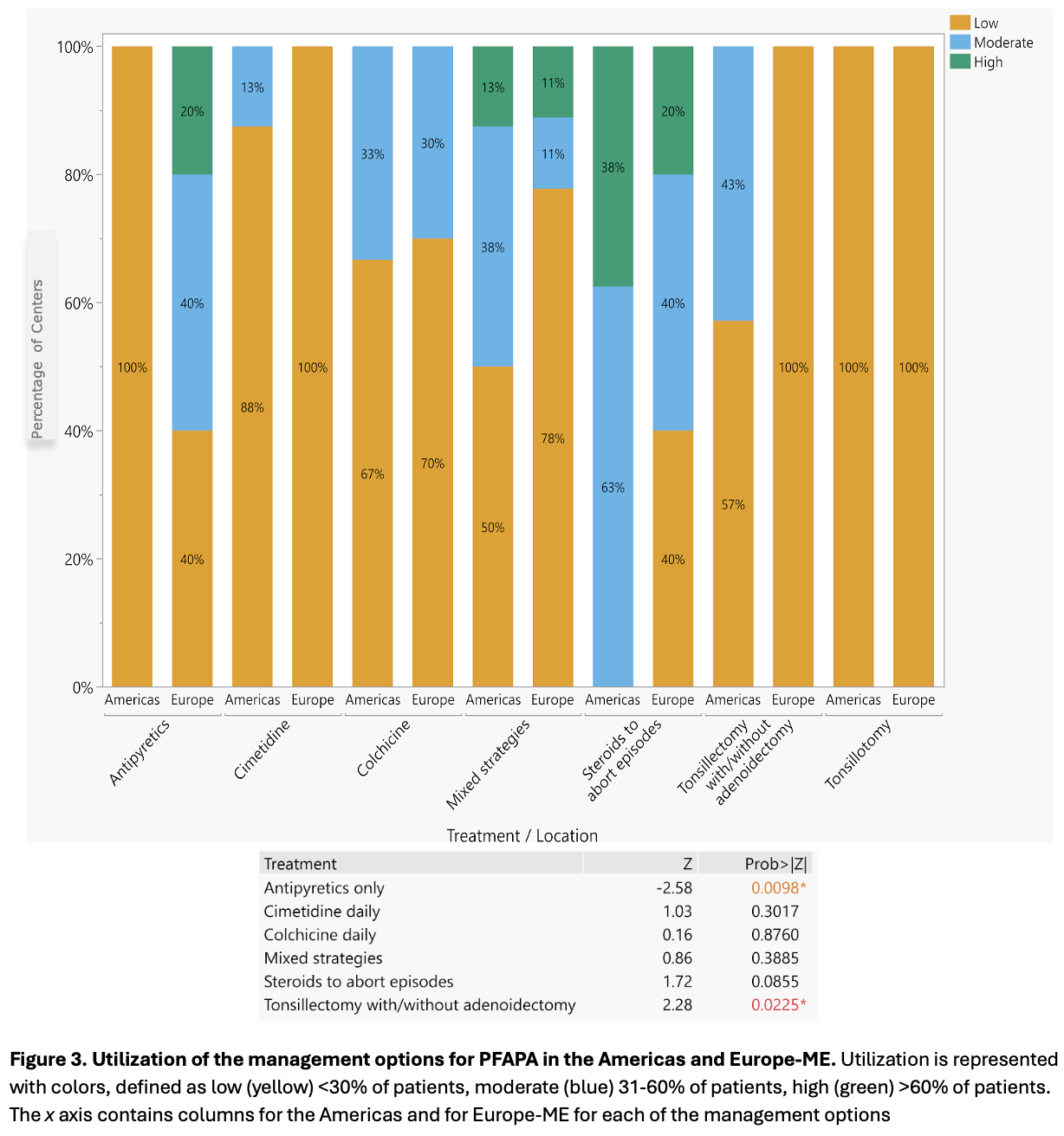
Methods: The PFAPA Evaluation of Treatment Algorithms Study (PETALS) consortium conducted a survey (Feb–Mar 2025) across centers in Europe and the Americas. Each center provided estimated numbers of newly diagnosed and follow-up PFAPA patients, as well as estimates of the percentage of patients on each of the treatment options. Based on the information provided by the centers we calculated the number of patients that we would potentially have in each treatment option. The estimated percentage of patients on each treatment option was grouped into three categories: low (0-30% of patients), moderate (31-60% of patients), and high (61-100% of patients). The Cochran-Armitage test was used to compare the proportion of treatment strategies in the Americas and Europe.

Results: Twenty centers participated in the survey. The number of newly diagnosed and follow up PFAPA patients varied considerably across centers, with a balanced distribution between Europe and the Americas. (Figure 1). Figure 2 illustrates the estimated number of PFAPA patients who would be eligible for each treatment option within one year across participating centers.
For antipyretics 20% of the centers in the Europe reported high use of antipyretics and 40% reported moderate use. (Figure 3) One hundred percent of the centers in the Americas report low use of acetaminophen (p 0.01). Cimetidine is used moderately in 13% of the participating centers from Americas, otherwise there is low use reported by the rest of the cohort. Colchicine use is similar in the center in the Americas and Europe with 1/3 of the centers from both geographical areas reporting moderate use and 2/3 with low use. Steroids are used in at least 31% of patients in all the centers in the Americas and in 60% of European sites. Tonsillectomy with and without adenoidectomy was used more frequently in American centers (p 0.02).
 

Conclusion: Our survey demonstrated adequate patient availability for most of the treatment options. Steroids and colchicine are the most used strategies, while cimetidine and tonsillotomy are less used across the board. There is a systematic difference in the proportion of treatment usage for antipyretics and for tonsillectomy with or without adenoidectomy, with these options being more frequently used in Europe and in the Americas, respectively. No significant differences were found in the other treatment preferences. These findings support the feasibility of conducting comparative effectiveness studies and highlight the importance of international collaboration.

Figure 1. Newly diagnosed and established PFAPA cases in the last 12 monthsSupporting image 1
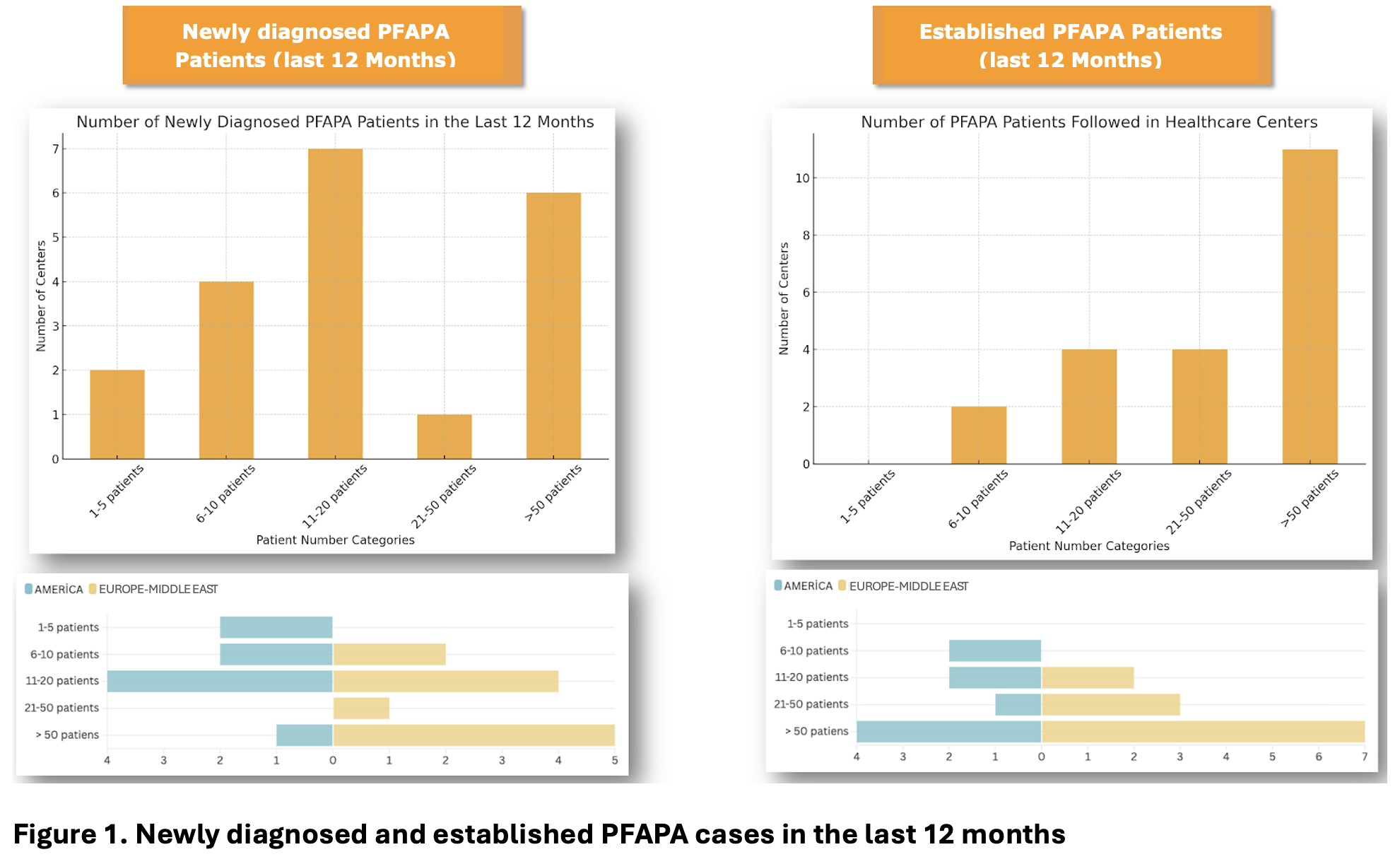
Figure 2. Estimated number of patients for each treatmentSupporting image 2
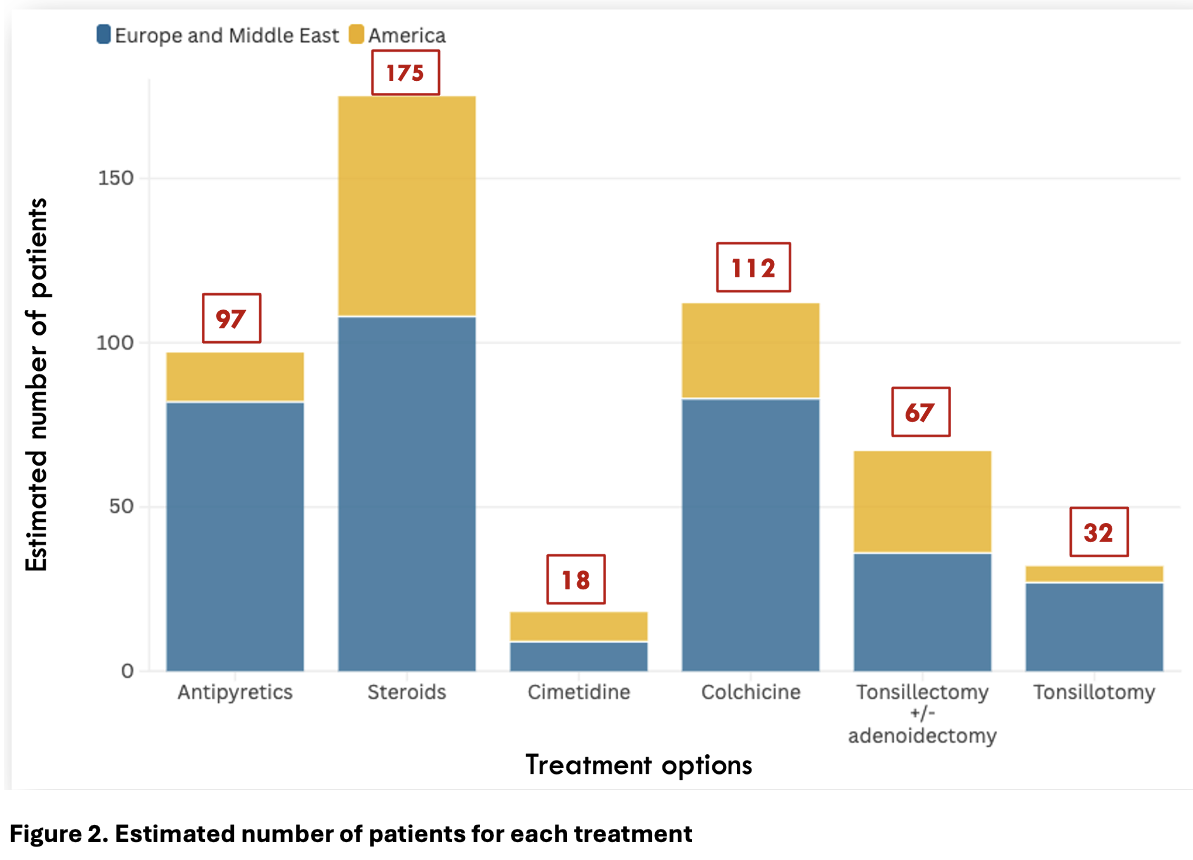
Figure 3. Utilization of the management options for PFAPA in the Americas and Europe Supporting image 3

Disclosures: M. YILDIZ: None; S. Nazzar Romero: None; L. Moorthy: None; E. Itzkovitz: None; H. Basaran: None; T. Lozy: Eli Lilly, 11; P. DeLaMora: None; T. Welzel: None; R. Haviv: None; K. Manthiram: None; C. Vargas: None; E. Sag: None; a. ziv: None; A. Pappo: None; Ö. Satirer: None; M. Piram: Novartis, 6, 12, Conference sponsor, Pfizer, 12, Event sponsor and conference grant; G. Kavrul Kayaalp: None; N. Aktay Ayaz: None; A. Insalaco: None; J. Kuemmerle-Deschner: Novartis, 1, 5, 6, Sobi, 5, 6; D. Dissanayake: None; K. Cetin Gedik: None; N. Saad: None; N. Toplak: None; O. Kasapcopur: None; M. Twilt: None; I. koné-Paut: Amgen, 2, CHUGAI, 2, 11, frezenius Kabi, 2, Novartis, 2, PATENT VALOR, 10, Pfizer, 6, SOBI, 2; R. Laxer: Akros pharma, 2, Celltrion, 2, Eli Lilly, 2, Novartis, 2, Sanofi-Aventis, 1, 2, UpToDate, 9; M. Gattorno: Fresinus-Kabi, 6, Novartis, 6, SOBI, 6; S. Özen: Novartis, 2, 6, Sobi, 2, 6; F. Dedeoglu: Sobi, 6, UptoDate, 9; S. Lapidus: None.

To cite this abstract in AMA style:

YILDIZ M, Nazzar Romero S, Moorthy L, Itzkovitz E, Basaran H, Lozy T, DeLaMora P, Welzel T, Haviv R, Manthiram K, Vargas C, Sag E, ziv a, Pappo A, Satirer Ö, Piram M, Kavrul Kayaalp G, Aktay Ayaz N, Insalaco A, Kuemmerle-Deschner J, Dissanayake D, Cetin Gedik K, Saad N, Toplak N, Kasapcopur O, Twilt M, koné-Paut I, Laxer R, Gattorno M, Özen S, Dedeoglu F, Lapidus S. Periodic Fever, Aphthous Stomatitis, Pharyngitis, and Cervical Adenitis (PFAPA) Management Across Countries: A Survey to Inform Future Comparative Effectiveness Research [abstract]. Arthritis Rheumatol. 2026; 78 (suppl 3). https://acrabstracts.org/abstract/periodic-fever-aphthous-stomatitis-pharyngitis-and-cervical-adenitis-pfapa-management-across-countries-a-survey-to-inform-future-comparative-effectiveness-research/. Accessed .
  • Tweet
  • Email a link to a friend (Opens in new window) Email
  • Print (Opens in new window) Print

« Back to 2026 Pediatric Rheumatology Symposium

ACR Meeting Abstracts - https://acrabstracts.org/abstract/periodic-fever-aphthous-stomatitis-pharyngitis-and-cervical-adenitis-pfapa-management-across-countries-a-survey-to-inform-future-comparative-effectiveness-research/

Advanced Search

Your Favorites

You can save and print a list of your favorite abstracts during your browser session by clicking the “Favorite” button at the bottom of any abstract. View your favorites »

Embargo Policy

All abstracts accepted to PRYSM are under media embargo once the ACR has notified presenters of their abstract’s acceptance. They may be presented at other meetings or published as manuscripts after this time but should not be discussed in non-scholarly venues or outlets. The following embargo policies are strictly enforced by the ACR.

Accepted abstracts are made available to the public online in advance of the meeting and are published in a special online supplement of our scientific journal, Arthritis & Rheumatology. Information contained in those abstracts may not be released until the abstracts appear online. In an exception to the media embargo, academic institutions, private organizations, and companies with products whose value may be influenced by information contained in an abstract may issue a press release to coincide with the availability of an ACR abstract on the ACR website. However, the ACR continues to require that information that goes beyond that contained in the abstract (e.g., discussion of the abstract done as part of editorial news coverage) is under media embargo until 6:00 PM CT on March 18. Journalists with access to embargoed information cannot release articles or editorial news coverage before this time. Editorial news coverage is considered original articles/videos developed by employed journalists to report facts, commentary, and subject matter expert quotes in a narrative form using a variety of sources (e.g., research, announcements, press releases, events, etc.).

Violation of this policy may result in the abstract being withdrawn from the meeting and other measures deemed appropriate. Authors are responsible for notifying colleagues, institutions, communications firms, and all other stakeholders related to the development or promotion of the abstract about this policy. If you have questions about the ACR abstract embargo policy, please contact ACR abstracts staff at [email protected].

Wiley

  • Online Journal
  • Privacy Policy
  • Permissions Policies
  • Cookie Preferences

© Copyright 2026 American College of Rheumatology